Beyond Ujjayi: How Yogis Can Deepen Their Pranayama Practice at Home
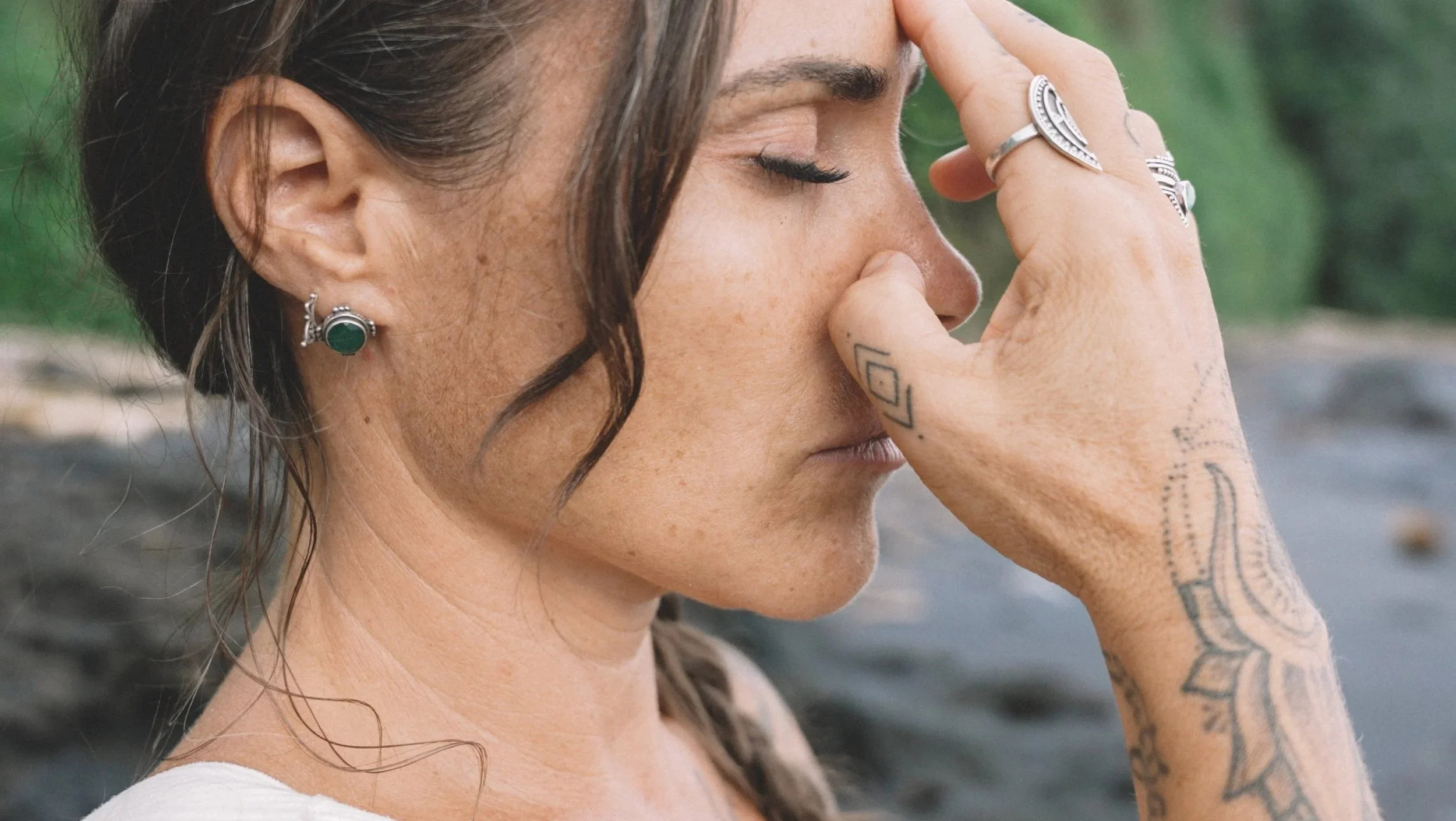
Pranayama is the yogic practice of consciously shaping the breath to influence energy, attention, and inner steadiness. Many yogis first meet it through ujjayi breath in asana class: that soft, oceanic sound that gives movement rhythm and heat. But ujjayi is only the doorway. In the wider yoga tradition, pranayama is not a decorative add-on to posture practice; it is one of the central bridges between body, mind, and meditation.
A steady pranayama practice does not need to look dramatic. It does not require sitting for an hour before sunrise, owning the perfect cushion, or mastering advanced breath retention. It begins with learning what each technique is for, practicing with respect, and noticing how breath changes the texture of daily life.
The Breath Map for Busy Yogis
Pranayama helps yogis move beyond “breathing while doing yoga” into “using breath as yoga.” It can energise, settle, balance, cool, cleanse, and focus the mind, depending on the method used. A sustainable home practice might be as short as five to twelve minutes, especially when it is practiced consistently.
The simplest path is to choose one technique for your actual need: Nadi Shodhana for balance, Bhramari for calm, Sitali for cooling, Kapalabhati for clearing dullness, or Bhastrika for strong energising. Over time, formal training helps refine pacing, contraindications, sequencing, and the subtle philosophy behind the practice.
Why Pranayama Sits at the Heart of Yoga
In yoga philosophy, breath is not merely oxygen exchange. It is linked with prana: the subtle life force that animates body and mind. Classical yoga places pranayama after asana and before deeper internal practices because the breath can steady the nervous system, gather attention, and prepare the practitioner for meditation. Patanjali’s Yoga Sutras introduce pranayama after stable posture, framing it as a disciplined refinement of inhalation and exhalation rather than a random breathing exercise.
This matters because many modern yoga classes accidentally reverse the hierarchy. The posture becomes the “main event,” and breath becomes background music. Yet many yogis discover that when pranayama becomes central, asana changes too. Movement becomes less performative. Transitions become quieter. The body stops being something to conquer and starts becoming something to listen through.
A Small Practice Can Still Be a Real Practice
The best pranayama routine is the one you can actually repeat. A ten-minute practice done five days a week will usually teach you more than an elaborate one-hour sequence that happens twice and then disappears. Try this rhythm:
Begin with two minutes of natural breath observation.
Practice one technique for three to seven minutes.
Sit quietly for one minute afterward and notice the residue.
Keep the same technique for one or two weeks before changing it.
Stop if you feel dizzy, strained, anxious, or overheated.
This is where humility protects depth. Pranayama is subtle, but it is not weak. Strong practices such as Kapalabhati and Bhastrika can be stimulating, and breath retention should be approached with informed guidance. Pregnant practitioners, people with cardiovascular conditions, uncontrolled blood pressure, panic disorders, or respiratory concerns should seek qualified support before experimenting with forceful breathing.
Making the Breath Visible
Some yogis deepen pranayama by giving each breath practice a visual anchor. A small image on a meditation altar, a card near the mat, or a visual journal can help the nervous system associate a technique with a felt state. Nadi Shodhana might become an image of two rivers meeting. Sitali might appear as moonlight on water. Bhastrika might be rendered as sunrise, flame, or golden wind.
This is one place where modern tools can support a very old practice. An AI art generator can help yogis turn a simple written description into personal pranayama-inspired artwork instead of relying on generic wellness imagery. The point is not to make the practice more decorative. The point is to create a symbolic cue that reminds the body what each breath is inviting: cooling, clarity, steadiness, warmth, or release. Adobe describes Firefly as a generative tool for creating and editing visual content from prompts, which makes it accessible for practitioners who want custom imagery without being trained illustrators.
From Curious Experimenter to Confident Practitioner
Home practice builds intimacy. Formal training builds discernment. A teacher can see what a practitioner often misses: jaw tension, aggressive inhalation, uneven nostril dominance, unconscious strain, or the subtle ambition that turns breath work into another performance project. For yogis ready to take pranayama and the wider path of yoga much deeper, Exhale Yoga Retreats offers retreats and yoga teacher training in Bali, Siargao, and Mexico, along with online options. Their programs include 50-hour, 200-hour, and 300-hour training pathways, and their advanced Bali training includes pranayama, philosophy, meditation, mantra, mythology, anatomy, and teaching methodology. For students who feel that breath, asana, meditation, and philosophy belong together rather than in separate boxes, an immersive training can provide the structure and teacher feedback that home exploration cannot fully replace.
A How-To Sequence for Building a Sustainable Home Practice
Step 1: Choose the purpose before the technique.Ask, “What do I need today?” If you need calm, choose Bhramari or Nadi Shodhana. If you need clarity, consider Kapalabhati. If you are overheated, Sitali may be more appropriate.
Step 2: Keep the container short.Start with five minutes. Add time only when the practice feels stable, not because you think more is automatically more spiritual.
Step 3: Practice before stimulation.Morning works well because the mind has not yet been pulled into messages, caffeine, errands, and noise. Evening works too, especially for calming practices.
Step 4: Track the after-effect.Write one sentence: “After practice, I feel…” Over time, this becomes your own evidence base.
Step 5: Learn from a teacher when the breath becomes complex.If you are adding retention, bandhas, forceful techniques, or longer sequences, seek training. Technique matters. So does timing. So does knowing when not to practice.
A Grounded Resource for the Science-Minded Yogi
A useful companion resource is the National Center for Complementary and Integrative Health’s page on Yoga: Effectiveness and Safety. It is not a pranayama manual, and that is exactly why it is helpful. It gives a sober overview of yoga as a practice rooted in Indian philosophy that is now also studied for physical and mental well-being. For yogis who enjoy both tradition and evidence, it offers a grounded way to think about benefits without overstating claims. It can also help practitioners remember that breath work is powerful, but it should be practiced with body awareness, patience, and appropriate support.
FAQ
Is pranayama just breathwork?
Pranayama is breathwork, but in yoga it carries a broader meaning. It is connected to prana, attention, subtle energy, and preparation for meditation. The physical breath is the handle; the deeper practice is learning how breath influences the mind.
Which pranayama should beginners start with?
Nadi Shodhana and Bhramari are often friendly starting points because they are steady, quiet, and less forceful. A beginner can practice them gently for a few minutes without trying to manipulate the breath aggressively.
Should Kapalabhati and Bhastrika be practiced every day?
Not necessarily. They are more stimulating than calming practices and are not suitable for every body or season of life. Learn them carefully, practice lightly at first, and avoid treating intensity as proof of progress.
The Quiet Result
Pranayama deepens yoga because it changes the practitioner from the inside outward. Over time, breath awareness begins to appear off the mat: in a difficult conversation, before sleep, during work, or in the pause before reacting. The practice becomes less about “doing a technique” and more about recognizing that breath is always shaping attention. That is where pranayama becomes not an add-on to yoga, but one of its most intimate teachers.