How to Manage Stress Daily for Better Health and Wellness
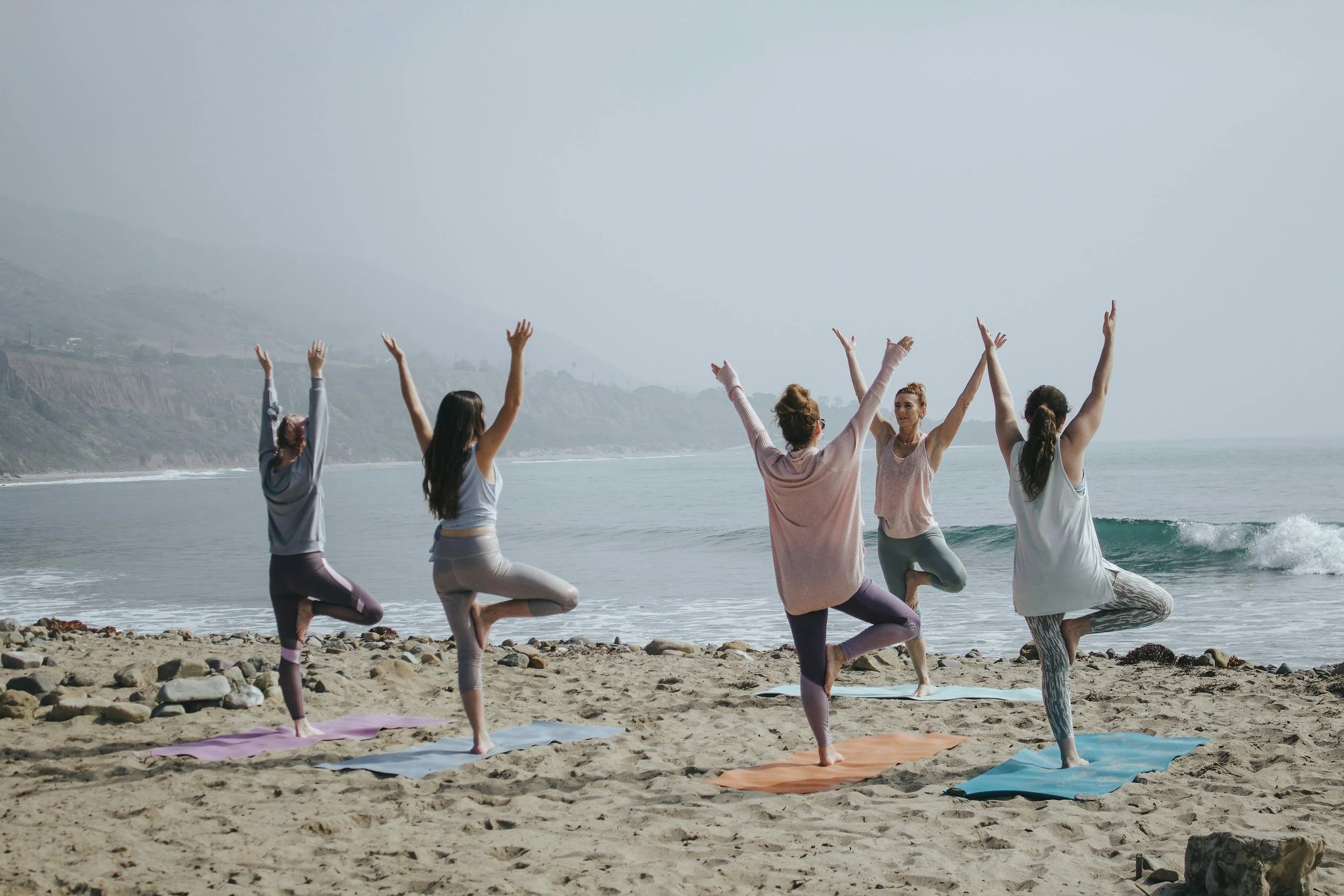
Adult wellness seekers planning yoga getaways or retreats often crave calm but still carry the same mental load in a new setting. The hard part of managing everyday stress is that it can feel constant and vague, which makes it easy to push through until the body starts protesting. Stress impacts on health can show up as low energy, restless sleep, tight muscles, or a shorter fuse, even when life looks “fine” on paper. Faster relief usually starts with stress identification and importance, pinpointing the specific pressures driving the stress, instead of treating it like a single, mysterious problem.
Understanding What Stress Does to Your Body
Stress is your mind and body’s built-in alarm system, switching on when something feels demanding or uncertain. Stress is a reaction that can be helpful in short bursts, but draining when it stays on. With repeated triggers, your nervous system learns “always on,” and stress starts to pile up.
This matters because chronic stress can quietly reshape sleep, appetite, focus, and mood, even when you are doing healthy things. It can also nudge mental health in the wrong direction, and neuroinflammation affects up to 27% of patients with MDD, linking some depression cases to more stubborn symptoms.
Picture arriving at a retreat and still checking messages, replaying work conversations, and planning your week. Your body treats those thoughts like real pressure, so your shoulders tighten and your breath gets shallow. Calm activities help, but lasting change comes from noticing what keeps flipping your alarm on.
Stress journaling and guided reflection help you spot triggers, connect patterns, and name your biggest stress sources.
Build a Stress Trigger Map With Journaling
Stress journaling turns vague tension into clear information you can work with. For adults planning yoga and wellness retreats, this helps you arrive knowing what truly needs soothing so you choose practices that match your real stress load.
Step 1: Set up a simple stress log
Choose one notebook or notes app and keep it easy: date, situation, body signals, thoughts, and a 0 to 5 stress rating. Jot entries in under two minutes so you can stay consistent even on busy days. This creates a reliable snapshot of what flips your stress response on.Step 2: Record triggers in real time (or within 1 hour)
When you notice tight jaw, shallow breathing, irritability, or mental looping, add a quick entry. Include what happened right before the shift, who you were with, and what you needed in that moment. Capturing the moment helps you spot the real cue, not just the fallout.Step 3: Track long enough to reveal patterns
Commit to what it takes to see trends because tracking your stress log for two to three weeks for meaningful clues. Focus on entries where stress rating hits 3 or higher so you work on the triggers that actually drain you. This keeps your attention on what matters most.Step 4: Do a weekly guided reflection and name themes
Once a week, read your entries and highlight repeated situations, people dynamics, time-of-day spikes, and body patterns. Use a simple prompt: “What was I protecting, avoiding, or trying to control?” Then label 3 to 5 themes such as “time pressure,” “people pleasing,” or “uncertainty.”Step 5: Identify your top stress sources and choose a retreat focus
Rank your themes by frequency and intensity, then pick your top two as your main stress sources. Translate each into a retreat intention like “practice letting go of control” or “rebuild boundaries with rest.” This makes your retreat feel personal and targeted instead of random.
You are not guessing anymore, you are listening clearly and choosing support that fits.
Daily Stress-Reset Habits You Can Keep
Try these simple practices to support your progress.
Once you know your stress patterns, habits turn insight into steady relief. These small routines help adults exploring yoga and wellness retreats build daily stress resilience now, so retreat practices feel familiar and easier to maintain afterward.
Morning Breath Anchor
What it is: Do 10 slow breaths with longer exhales to downshift your nervous system.
How often: Daily, right after waking.
Why it helps: A drop in test anxiety scores shows that breathing practice can reduce stress.
Midday Movement Snack
What it is: Take a brisk 7 to 12 minute walk, then stretch calves and hips.
How often: Daily, between meetings or tasks.
Why it helps: It releases physical tension and restores focus without needing a full workout.
Balanced Plate Pause
What it is: Build meals with protein, fiber, and color before adding extra coffee or sugar.
How often: Most meals.
Why it helps: Steadier energy often means fewer mood spikes and fewer stress cravings.
Screen Curfew and Sleep Setup
What it is: Set a phone cutoff, dim lights, and prepare tomorrow’s essentials.
How often: Nightly, 30 to 60 minutes before bed.
Why it helps: Better sleep makes stress feel more manageable the next day.
One Reframe Sentence
What it is: Write one kinder thought you can believe, then act from that mindset.
How often: Daily, after a stressful moment.
Why it helps: It reduces rumination and nudges you toward calmer choices.
Pick one habit to start this week, then adjust it to fit your family rhythms.
Stress Relief Q&A for Everyday Life
If questions pop up while you build new routines, start here.
Q: What are the most common causes of stress in daily life and how can I identify my own triggers?
A: Common stressors include time pressure, unclear priorities, financial worries, and relationship tension, especially when your body stays on alert. Keep a simple “stress log” for three days: note the moment, what happened, and what you felt in your body. Knowing that Americans report stress can normalize your experience while you pinpoint your personal patterns.
Q: How can establishing a work-life balance reduce feelings of overwhelm and improve mental well-being?
A: Clear boundaries reduce decision fatigue and give your nervous system predictable recovery time. Try one rule this week: a firm stop time, a short transition walk, or no-email zones during meals. Protecting a few non-negotiables makes it easier to show up calmly for both work and home.
Q: What practical daily habits can help me manage stress more effectively?
A: Pick one small anchor you can repeat, like two minutes of box breathing, a gentle sun-salutation flow, or a five-sense grounding check. Consistency matters more than intensity, so attach it to something you already do like brushing your teeth. Meditation can fit here too since it is an ancient practice that many beginners start with just a few quiet minutes.
Q: How does improving sleep quality contribute to better stress management?
A: Better sleep lowers emotional reactivity, so stress feels more workable instead of overwhelming. Create a wind-down cue: dim lights, stretch your hips, and park tomorrow’s worries on paper. If you wake at night, return to slow exhales rather than problem-solving.
Q: What resources are available for someone feeling stuck and overwhelmed trying to create a more organized and balanced life?
A: Start with support that matches your comfort level: a yoga teacher, a counselor, a primary care clinician, or a trusted friend who can help you stay accountable. Use simple tools like a weekly planning session and a short “top three” list to reduce mental clutter. If you learn best through others’ experiences, follow real-life growth stories like the Phoenix alumni podcast for perspective and motivation.
Choose one technique to test this week and let small wins rebuild your confidence.
Building Daily Calm With Consistent Practice and Retreat Support
Stress may be a daily companion, but it doesn’t have to run the day. A simple stress management summary holds steady: choose mindful relaxation practices, keep consistent self-care routines, and return to them with patience. Over time, that approach builds long-term stress reduction, more ease in the body, clearer thinking, and a steadier mood when life gets busy. Small daily practices turn stress into a signal, not a steering wheel. Choose one tool to repeat this week, or consider the benefits of yoga retreats like Exhale Yoga Retreats for dedicated space for movement, breathwork, meditation, and supportive community. This matters because resilient calm supports health, connection, and the energy to live well.