How to Create a Flexible Wellness Room That Boosts Fitness and Relaxation
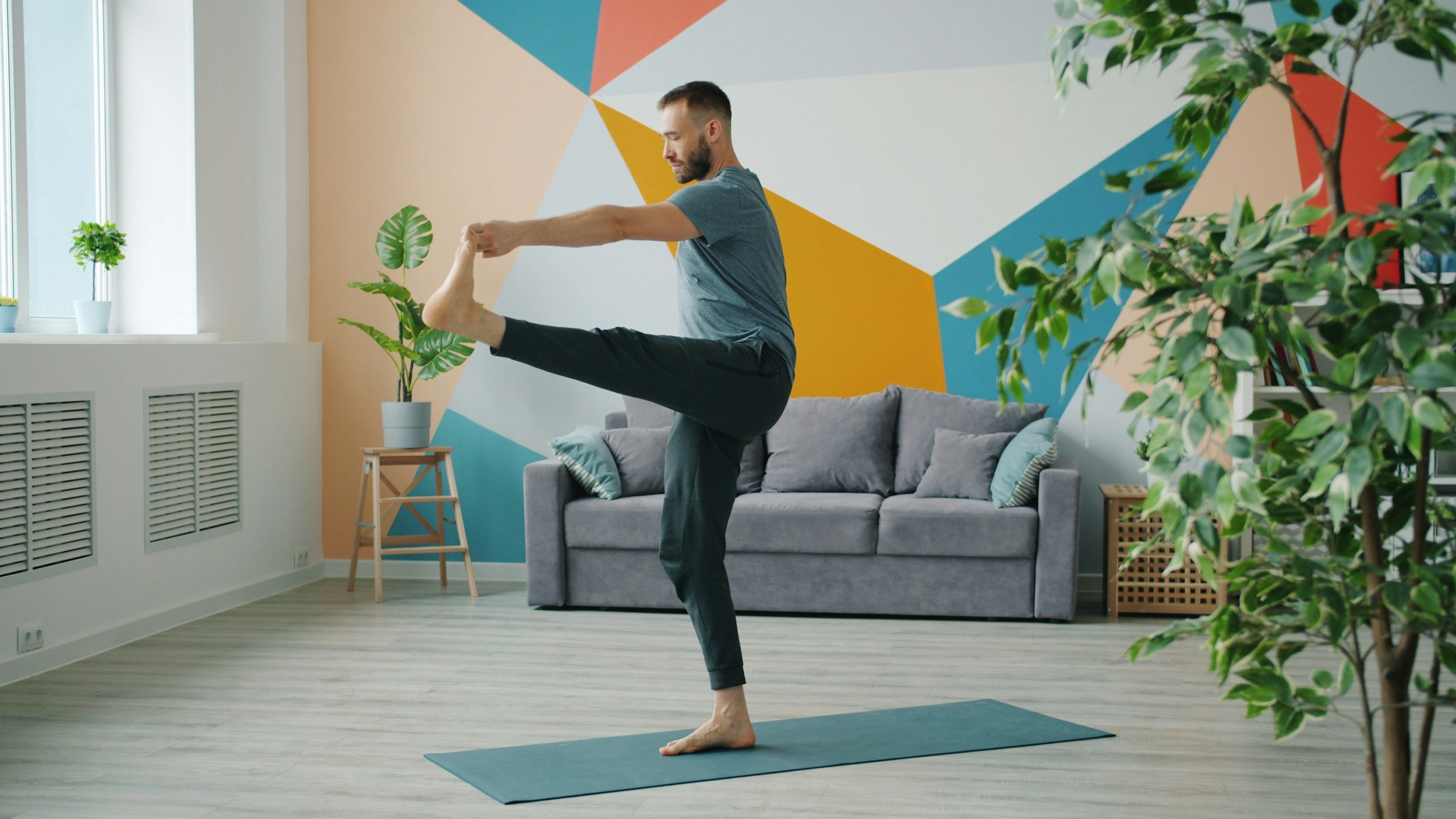
For homeowners with limited space, supporting health at home can feel like a constant shuffle between half-finished setups: a corner for workouts, a spot for stretching, and a “calm” area that still looks like storage. The core tension is real, balancing fitness and relaxation at home often turns into visual clutter, interrupted routines, and a room that never fully works for anything. A multipurpose wellness room sounds appealing, but the challenges add up when one space has to handle movement, recovery, and downtime without taking over the rest of the house. With smart space optimization for wellness, one room can finally feel intentional.
Understanding a Multipurpose Wellness Room
A multipurpose wellness room is one flexible space that supports your whole routine, not just one activity. The goal is to move easily from workouts to recovery to quiet downtime without your home feeling like a weight room. Think of it as a multipurpose wellness design approach where the room can shift roles fast.
This matters because consistency is easier when setup and cleanup do not drain your motivation. When the room looks calm most of the day, it supports better focus, better sleep cues, and a more sustainable habit. You also reduce the “stuff everywhere” feeling that makes many people avoid the space.
Picture a spare room with a fold-away mat, a small bench, and a basket of bands. After a short session, you tuck gear away, dim the lights, and the same room becomes your personal haven for stretching or breathwork. Comfort seals the deal, so air quality, temperature, and airflow deserve attention before you fine-tune the setup.
Improve Airflow and Temperature for Better Workouts and Recovery
When your wellness room is meant to flex between movement and rest, the “feel” of the space matters as much as the equipment you put in it. Upgrading your HVAC system can make that room noticeably more comfortable by improving air circulation and keeping temperatures steady, so a workout doesn’t leave the space feeling stuffy, and a cooldown or relaxation session doesn’t turn into a battle with hot or cold spots. Better airflow can also help manage humidity, which supports a cleaner, fresher environment, and it may reduce the buildup of common indoor irritants like allergens. Together, those changes help your multipurpose wellness space feel consistently comfortable and supportive of overall well-being throughout the year.
If you need to order HVAC replacement parts as part of these tweaks, stick with reputable suppliers to help ensure quality, durability, and proper compatibility, many homeowners browse the available selection to get started. With air and temperature handled, you can move on to the practical room-planning details, layout, storage, lighting, and long-wearing materials that keep the space flexible.
Plan Your Room: Layout, Storage, Lighting, and Materials That Last
A flexible wellness room works best when the basics are planned: where you move, where your gear lives, and how the room feels across workout, recovery, and quiet time. Use this game plan to keep the space open, easy to reset, and built for sweat and calm.
Map your “movement zone” first: Start wellness room layout planning by taping off a clear rectangle where you can fully extend arms and legs, then add a walking path to the door and to any windows/vents. Keep this zone free of permanent furniture so airflow changes, fans, or a portable purifier can do their job without being blocked. Place high-use items (mat, bands, dumbbells) within one step of the movement zone so you don’t create clutter piles mid-session.
Create stations that match your modes: Divide the room into 2–3 simple stations: energize (training), restore (mobility/meditation), and support (hydration/towels/cleaning). Put your restore station farthest from the door and main traffic so it stays quieter and feels more “drop-in calm.” If you use heat tools (like a sauna blanket or small heater), keep them near a vented wall and away from stacked textiles so temperature control stays predictable.
Build storage that makes cleanup automatic: Choose storage solutions for fitness equipment that take under two minutes to reset, open bins for soft goods, a vertical rack for mats/rollers, and a low shelf for weights so you’re not lifting overhead. Labels help everyone in the home put things back correctly without thinking. Design thinking around proper storage systems matters because it makes items easier to find and reduces the background stress of “where did that go?”
Use layered lighting you can switch in 10 seconds: Aim for three layers: bright overhead for training, a softer lamp or wall light for stretching, and a dim option for breathwork. Put each layer on a separate switch or smart control so the room can shift from energizing to soothing without rearranging anything, lighting controls make this kind of quick mode change much easier. Keep glare off mirrors/screens by angling lamps sideways rather than straight at your face.
Pick materials that handle sweat, cleaning, and quiet: For floors, choose sealed surfaces with a large, washable mat rather than wall-to-wall carpet, which can hold odor and makes deep cleaning harder. Use wipeable paint (satin or semi-gloss) in splash zones where you’ll store towels, refill bottles, or do post-workout cleanup. Add softness with removable textiles, curtains, a washable rug, or fabric panels, so the room absorbs sound without becoming a dust trap.
Wellness Room FAQs: Daily Use Without the Mess
Q: How do I keep the room tidy if I use it every day?
A: Give every item a “drop spot” you can reach with one hand, like a bin for bands and a hook for towels. Set a two-minute reset timer after each session and put away only the essentials first. If clutter still builds, you likely have too many duplicate tools, so store backups elsewhere.
Q: What’s the simplest way to reduce noise for neighbors or sleeping kids?
A: Use a thick training mat or interlocking tiles under your workout area, and keep jumping moves to the quietest time of day. Soft furnishings like a washable rug and curtains help absorb sound. Swapping burpees for low-impact intervals also cuts thuds without lowering effort.
Q: How can I stop sweaty odors from lingering?
A: Start with airflow, then do a quick “wet items out” rule: hang towels and mats immediately, never in a pile. A weekly wipe-down plus an odor check for “no odors present” keeps small smells from becoming permanent.
Q: Which surfaces are easiest to clean without constant scrubbing?
A: Choose sealed flooring and keep a washable top mat where you sweat most. Wipe high-touch zones with a gentle cleaner right after use, when residue is fresh. Avoid porous fabric chairs that can hold sweat and fragrance.
Q: Can one room really support both intense workouts and relaxation?
A: Yes, if you separate “sweat” and “calm” tools and store them in different spots. A wellness room designed to “restore your mind and body” works best when the calming cues are easy to activate, like softer lighting and a clear floor.
Turn One Room Into Daily Fitness and Calm Support
It’s easy to want a wellness room, but worry it’ll become one more messy, noisy space to manage. A flexible-room mindset, simple zones, easy resets, and supportive wellness environments that match real life, keeps the idea practical and motivating for home remodeling. Over time, that steady access can build long-term wellness benefits: more movement, better recovery, and a calmer baseline on busy days. Design for real life, and your space will support your health every day.