Unique and Easy Ways to Boost Your Mental and Emotional Wellness Daily
Busy parents juggling work and family, early-career professionals running on deadlines, and caregivers carrying everyone else’s needs often want mental and emotional wellness without adding another heavy task to the day. The core tension is real: stress piles up in small moments, while most advice for general audience mental health feels too time-consuming, too intense, or too vague to stick. Everyday self-care practices work best when they’re gentle, doable, and a little more interesting than the usual reminders to “relax.” Ahead are beginner-friendly wellness ideas built around unique mental health strategies that make daily support feel lighter and more personal.
Make a Mood Portrait in 10 Minutes (No “Art Skills” Needed)
When you want something more personal than another “healthy habit,” a quick creative moment can help you name what you’re feeling without having to explain it. Creating art with AI tools can support everyday mental and emotional wellness because it’s accessible and low-pressure: you can express feelings, spark creativity, and still feel that satisfying sense of “I made something” in just a few minutes. Many AI portrait generators let you start from what you already have, either one of your own photos or a simple text description, and transform it into a realistic or stylized digital portrait. Just as importantly, you stay in the driver’s seat by adjusting details like lighting, angle, and artistic effects until the image matches your mood or your vision. If you want one easy place to experiment, the Adobe Firefly portrait maker is an example of a tool designed for this kind of portrait-style creation.
Understanding Alternative Wellness Techniques
Alternative wellness techniques are nontraditional ways to support your mind and emotions beyond the usual advice. The core idea is to widen your mental health toolkit, then pick small practices that match your personality, energy, and calendar.
This matters because stress does not always respond to one perfect routine. When you feel emotionally drained, having options helps you recover without forcing motivation you do not have. Variety also reduces the guilt spiral that happens when a single habit falls apart.
Think of it like building a playlist for your mood. Some days you need quiet, other days you need movement, creativity, or connection. The best support is the one you can actually repeat on a normal day. That mind-body link is where gentle yoga can become a reliable stress reset.
Try a 15-Minute Yoga Reset to Calm Your Nervous System
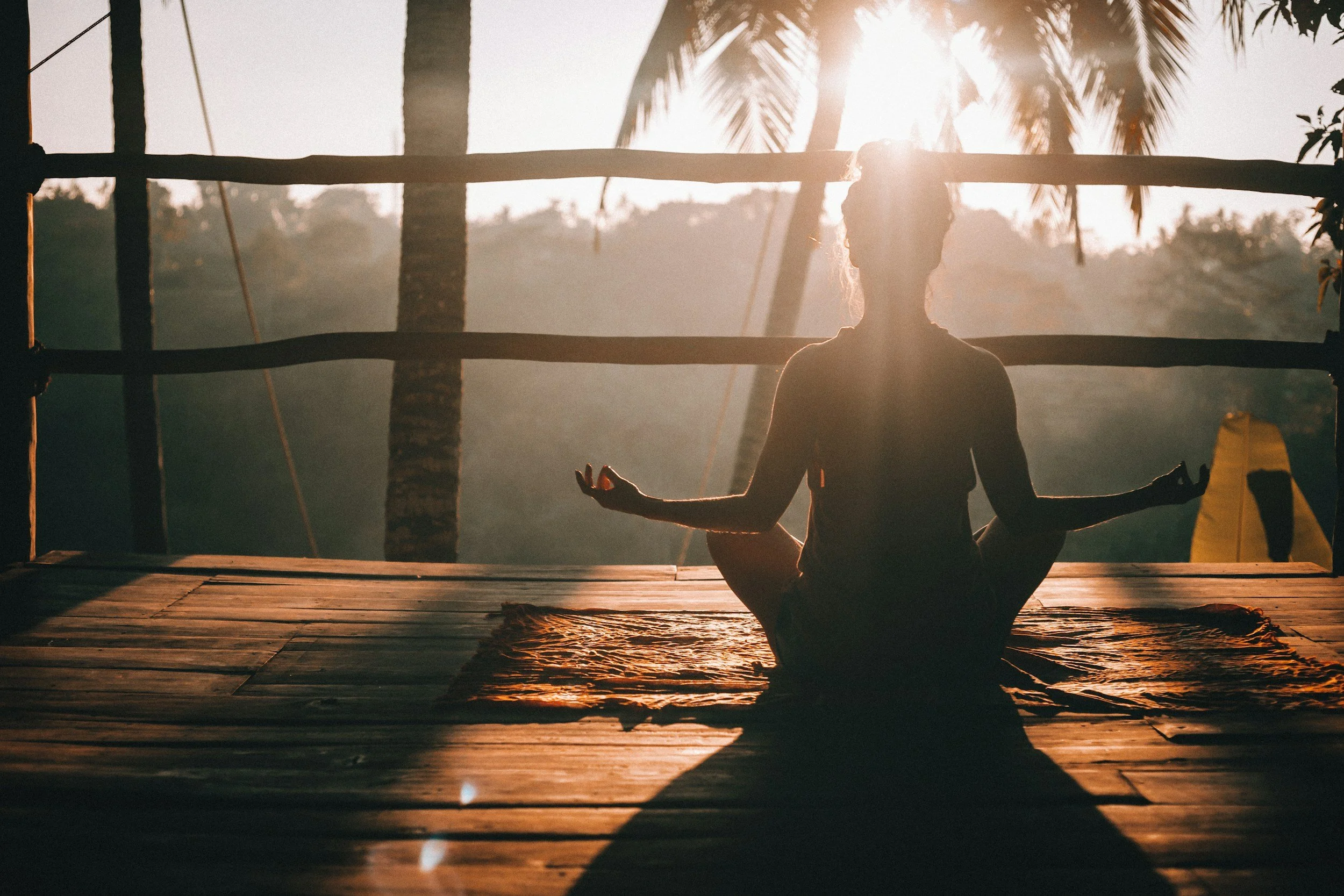
When you’re exploring beyond the usual tools, yoga offers a simple way to work with both body and mind. Yoga is a practice that pairs movement, breathing, and focused attention to build steadiness and ease. Regular yoga can reduce stress, support emotional balance, and improve flexibility, strength, and sleep.
Mental Wellness Q&A: Trying New Daily Practices
Q: What counts as a “unique” daily mental wellness practice?
A: It can be anything safe, simple, and a little different from your usual routine, like humming to regulate breathing, a five-sense grounding walk, or doodling for two minutes. The goal is to shift your nervous system from rushed to steady. Start with one tiny experiment and repeat it for a week.
Q: How do I start a new routine without feeling overwhelmed?
A: Choose one action that takes under three minutes and attach it to something you already do, like brushing your teeth or making coffee. Keep the “win” ridiculously small, then add time only after it feels automatic. A quick note on your phone can help you track what actually improves your mood.
Q: Why bother with creative therapies if I’m skeptical?
A: Skepticism is healthy, so treat it like a trial, not a belief system. Try a short, low-pressure session and judge it by one metric: do you feel 5% calmer afterward? Interest is high because 92% of employees say access to mental health resources is critical in their workplace.
Q: Can these practices replace therapy or medication?
A: For many people, daily practices are best as support, not a replacement. If symptoms feel intense, persistent, or scary, a licensed professional can help you build a safe plan. Use daily tools to complement care and make your good days more frequent.
Q: When should I notice benefits from small daily changes?
A: Some people feel a difference the same day, especially with breath and body-based tools, but lasting change often builds over weeks. If nothing shifts after two weeks, adjust one variable: timing, length, or the practice itself. Caring for your mind matters because brain health disorders cost the global economy so much.
Turn Daily Wellness Ideas Into a 7-Day Mental Habit
When life is busy and emotions run high, it’s easy to overthink mental health and then do nothing at all. The simplest path forward is the mindset this guide has emphasized: choose small, flexible experiments and let consistency, not perfection, shape motivating self-care routines. With encouraging mental health habits repeated gently, integrating wellness into daily life starts to feel natural, and empowering emotional well-being becomes more steady than sporadic. Small daily practices build the strongest mental resilience over time.